

What is the role of computer - aided design (CAD) in lost wax casting?
Nov 14, 2025
In the realm of manufacturing, lost wax casting stands as a time - honored technique that has been refined over centuries. As a lost wax casting supplier, I've witnessed firsthand the transformative power of computer - aided design (CAD) in this traditional process. CAD has revolutionized the way we approach lost wax casting, offering a plethora of benefits that enhance precision, efficiency, and creativity.
The Basics of Lost Wax Casting
Before delving into the role of CAD, it's essential to understand the fundamentals of lost wax casting. Also known as investment casting, this process involves creating a wax pattern of the desired part. The wax pattern is then coated with a ceramic shell, which is hardened through a series of heating and drying steps. Once the shell is solid, the wax is melted out, leaving behind a cavity in the shape of the original pattern. Molten metal is then poured into this cavity, and after it cools and solidifies, the ceramic shell is broken away, revealing the final metal part.
Precision and Accuracy
One of the most significant contributions of CAD to lost wax casting is the ability to achieve unparalleled precision and accuracy. In traditional lost wax casting, creating complex wax patterns by hand was a painstaking and error - prone process. Even the most skilled artisans could struggle to reproduce intricate details with consistent accuracy.
CAD software allows designers to create highly detailed 3D models of the desired part with precision down to the smallest micron. These digital models can be easily manipulated, adjusted, and refined until they meet the exact specifications of the client. For example, in the production of Titanium Precision Lost - Wax Castings, CAD enables us to design parts with extremely tight tolerances, ensuring a perfect fit and function.
The digital nature of CAD models also eliminates the risk of human error that can occur during manual pattern - making. Once the CAD model is finalized, it can be used to create a master pattern through various methods such as 3D printing. This master pattern serves as the basis for all subsequent wax patterns, ensuring that each casting is an exact replica of the original design.
Design Flexibility and Creativity
CAD offers designers an unprecedented level of flexibility and creativity. With traditional methods, the complexity of a design was often limited by the capabilities of the pattern - making process. Intricate geometries, undercuts, and fine details were difficult or impossible to achieve by hand.
In contrast, CAD software provides a vast array of tools and features that allow designers to push the boundaries of what is possible. They can create organic shapes, complex lattice structures, and highly detailed surface textures with ease. This design freedom opens up new possibilities for product innovation in industries such as jewelry, aerospace, and medical devices.
For instance, in the field of jewelry design, CAD enables designers to create unique and elaborate pieces that were once only a dream. They can experiment with different designs, materials, and finishes in a virtual environment before committing to the actual casting process. This not only saves time and resources but also allows for greater customer customization.

Cost - Efficiency
CAD also plays a crucial role in improving the cost - efficiency of lost wax casting. By creating digital models, designers can identify and correct potential design flaws early in the process, before any physical patterns are made. This reduces the likelihood of costly rework and scrap, which can significantly impact the bottom line.
In addition, CAD - based design and manufacturing processes can be automated to a large extent. Once the CAD model is complete, it can be used to generate toolpaths for CNC machining or 3D printing, which can produce wax patterns with high speed and accuracy. This automation reduces labor costs and increases production throughput, making lost wax casting more competitive in the global market.
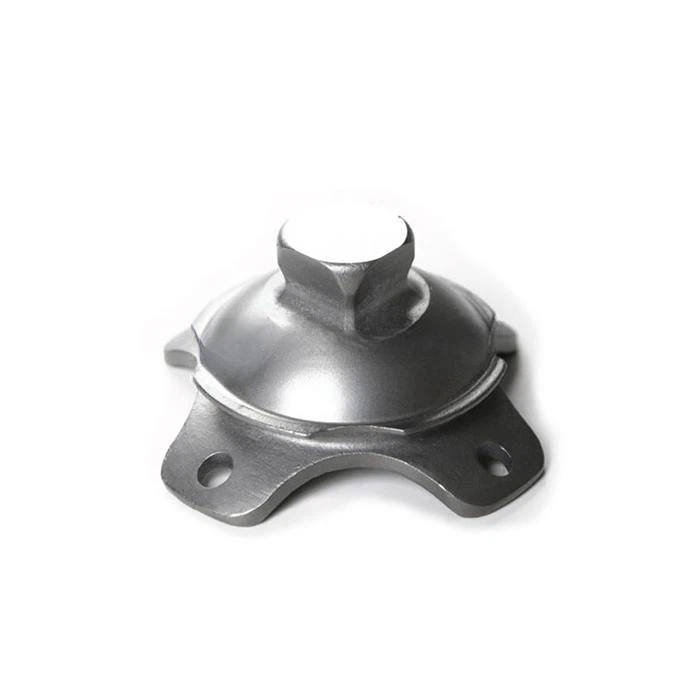
For Industrial Machinery Investment Casting Part, where large quantities of parts are often required, the cost - savings achieved through CAD - enabled processes can be substantial. The ability to quickly iterate on designs and optimize production processes also allows us to respond more rapidly to changing market demands, further enhancing our competitiveness.
Communication and Collaboration
In a modern manufacturing environment, effective communication and collaboration are essential. CAD facilitates seamless communication between designers, engineers, and clients. Digital CAD models can be easily shared and viewed by all stakeholders, regardless of their location. This allows for real - time feedback and collaboration, ensuring that everyone is on the same page throughout the design and production process.
For example, when working on a project for a client, we can share the CAD model with them for review and approval. They can use specialized software to view the model from different angles, measure dimensions, and even perform virtual simulations to evaluate the performance of the part. This interactive feedback loop helps to ensure that the final product meets the client's expectations and requirements.
Quality Control
CAD also plays a vital role in quality control during the lost wax casting process. Once the CAD model is used to create the wax pattern and the final casting, it can be compared to the original design using 3D scanning and inspection technologies. These technologies can quickly and accurately measure the dimensions and surface characteristics of the casting and compare them to the CAD model.
Any deviations from the original design can be identified and analyzed, allowing for corrective action to be taken. This ensures that each casting meets the highest quality standards and reduces the risk of defective parts being shipped to the client. For Lost Wax Investment Casting, where quality is of utmost importance, CAD - enabled quality control processes are essential for maintaining our reputation as a reliable supplier.
Conclusion
As a lost wax casting supplier, I can attest to the fact that CAD has become an indispensable tool in our industry. It has transformed the way we design, manufacture, and deliver high - quality castings. From improving precision and accuracy to enhancing design flexibility and cost - efficiency, CAD offers a multitude of benefits that have revolutionized the lost wax casting process.
If you are in need of high - quality lost wax castings, whether it's for jewelry, industrial machinery, or aerospace applications, we invite you to contact us for a consultation. Our team of experienced designers and engineers is ready to work with you to bring your ideas to life using the latest CAD technology and lost wax casting techniques.
References
- Smith, J. (2018). "The Impact of CAD on Manufacturing Processes." Journal of Manufacturing Technology, 25(3), 123 - 135.
- Johnson, A. (2019). "Advances in Lost Wax Casting with CAD Integration." International Journal of Precision Engineering, 18(2), 89 - 102.
- Brown, C. (2020). "CAD - Enabled Quality Control in Investment Casting." Quality Assurance Journal, 30(4), 201 - 215.