

What is the difference between CNC machining and hydroforming?
Jun 19, 2025
As a seasoned provider of CNC machining services, I've witnessed firsthand the evolution and application of various manufacturing techniques. One common question that arises in the manufacturing industry is the difference between CNC machining and hydroforming. In this blog, I'll delve into the intricacies of these two processes, highlighting their unique features, applications, and advantages.
Understanding CNC Machining
CNC, or Computer Numerical Control, machining is a subtractive manufacturing process that utilizes pre-programmed computer software to control the movement of factory tools and machinery. This process involves removing material from a solid block, known as the workpiece, to create a desired shape. The precision and flexibility of CNC machining make it a popular choice for a wide range of industries, including automotive, aerospace, and medical.
One of the key advantages of CNC machining is its ability to produce highly accurate and complex parts. The computer-controlled nature of the process ensures consistent results, with tolerances as tight as a few thousandths of an inch. This level of precision is crucial for industries where even the slightest deviation can have significant consequences.

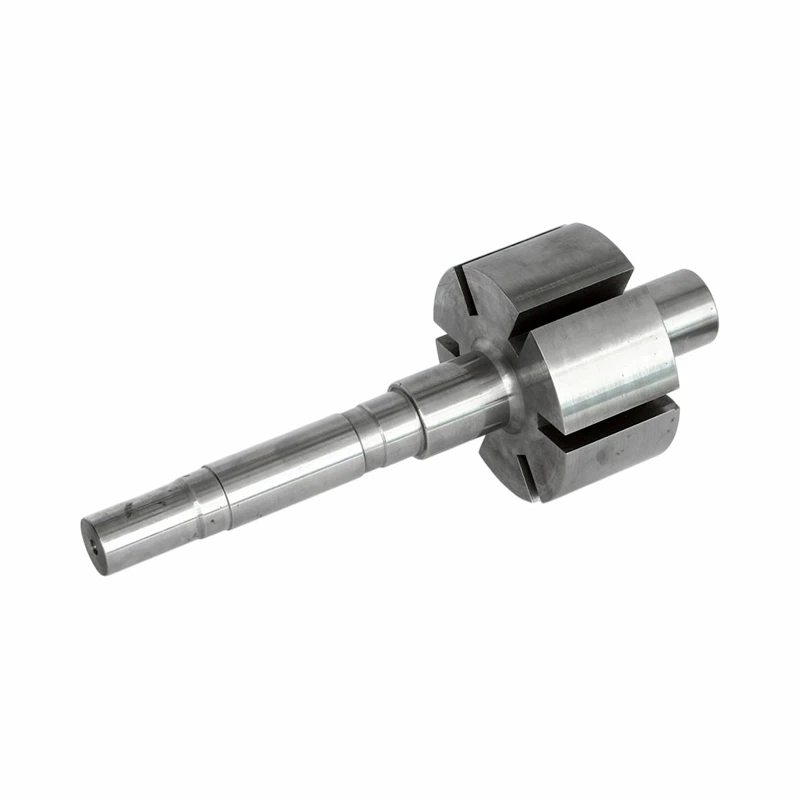
Another benefit of CNC machining is its versatility. It can be used to work with a variety of materials, including metals, plastics, wood, and composites. This makes it suitable for producing parts with different properties and requirements. Whether you need a small, intricate component or a large, robust part, CNC machining can deliver.
CNC machining also offers a high degree of customization. The programming allows for easy modification of the design, enabling quick turnaround times for prototyping and production. This flexibility is particularly valuable in industries where innovation and rapid product development are essential.
Examples of products commonly produced using CNC machining include Casting CNC Maching Part, Auto Ladle Die Casting, and CNC Machining Auto Part. These parts often require high precision and quality, which CNC machining can easily achieve.
Exploring Hydroforming
Hydroforming is a metal forming process that uses high-pressure fluid to shape metal sheets or tubes into complex shapes. The process involves placing a metal blank into a die cavity and then applying hydraulic pressure to force the metal to conform to the shape of the die. This method is particularly effective for creating parts with smooth surfaces, complex geometries, and high strength-to-weight ratios.
One of the main advantages of hydroforming is its ability to produce parts with fewer secondary operations. Since the process can form complex shapes in a single step, it reduces the need for additional machining, welding, or assembly. This not only saves time and cost but also improves the overall quality of the part.
Hydroforming also offers excellent material utilization. The high-pressure fluid ensures that the metal is evenly distributed, minimizing waste and reducing material costs. This is especially beneficial for industries where material costs are a significant factor, such as automotive and aerospace.
In addition, hydroformed parts often have better mechanical properties compared to parts produced by other methods. The process can enhance the strength and stiffness of the metal, resulting in parts that are more durable and reliable. This makes hydroforming a preferred choice for applications where performance is critical.
However, hydroforming also has some limitations. The initial setup costs for hydroforming equipment can be relatively high, making it less suitable for small production runs. The process also requires specialized tooling and expertise, which can add to the overall cost.
Key Differences between CNC Machining and Hydroforming
- Process Type: CNC machining is a subtractive process, while hydroforming is a forming process. CNC machining removes material from a workpiece to create the desired shape, whereas hydroforming uses pressure to reshape the metal.
- Material Compatibility: CNC machining can work with a wide range of materials, including metals, plastics, and composites. Hydroforming is primarily used for metals, although it can also be applied to some non-metallic materials in certain cases.
- Complexity of Shapes: Hydroforming is better suited for creating complex, three-dimensional shapes with smooth surfaces. CNC machining can also produce complex shapes, but it may require multiple operations and tool changes.
- Production Volume: CNC machining is more flexible for small to medium production volumes due to its relatively low setup costs and quick programming changes. Hydroforming is more cost-effective for large production runs, where the initial setup costs can be amortized over a larger number of parts.
- Surface Finish: Hydroforming typically produces parts with a smooth surface finish, which may require less post-processing. CNC machining can achieve a high-quality surface finish, but it may depend on the cutting tools and machining parameters used.
Applications and Use Cases
The choice between CNC machining and hydroforming depends on the specific requirements of the part and the production volume. Here are some common applications for each process:
CNC Machining
- Prototyping: CNC machining is ideal for rapid prototyping due to its ability to quickly produce parts from a variety of materials. It allows designers to test and validate their concepts before moving to mass production.
- Custom Parts: For parts with unique designs or low production volumes, CNC machining offers the flexibility to produce customized components with high precision.
- High-Precision Components: Industries such as aerospace and medical require parts with extremely tight tolerances. CNC machining can meet these requirements with its accurate and repeatable manufacturing process.
Hydroforming
- Automotive Industry: Hydroforming is widely used in the automotive industry to produce structural components, such as frame rails, engine cradles, and exhaust systems. The process can create lightweight yet strong parts, improving fuel efficiency and vehicle performance.
- Aerospace Industry: In the aerospace sector, hydroforming is used to manufacture components such as wing spars, fuselage frames, and fuel tanks. The ability to produce complex shapes with high strength and low weight is crucial for aircraft design.
- Consumer Goods: Hydroforming can be used to create aesthetically pleasing and functional parts for consumer products, such as bicycle frames, furniture components, and electronic enclosures.
Conclusion
In summary, both CNC machining and hydroforming are valuable manufacturing processes with their own unique advantages and limitations. CNC machining offers flexibility, precision, and the ability to work with a wide range of materials, making it suitable for small to medium production volumes and custom parts. Hydroforming, on the other hand, excels in producing complex shapes with high strength and excellent material utilization, making it a cost-effective choice for large production runs.
As a CNC machining supplier, I understand the importance of choosing the right manufacturing process for your specific needs. Whether you're looking for a high-precision component or a complex-shaped part, we have the expertise and capabilities to deliver. If you're interested in learning more about our CNC machining services or discussing your project requirements, please feel free to contact us for a consultation. We're committed to providing you with the best solutions and ensuring your satisfaction.
References
- "Manufacturing Engineering and Technology" by S. Kalpakjian and S. R. Schmid
- "Metal Forming: Processes and Applications" by G. E. Dieter
- Industry reports and technical papers on CNC machining and hydroforming